

Using a Bridging Loan to Buy Property at Auction
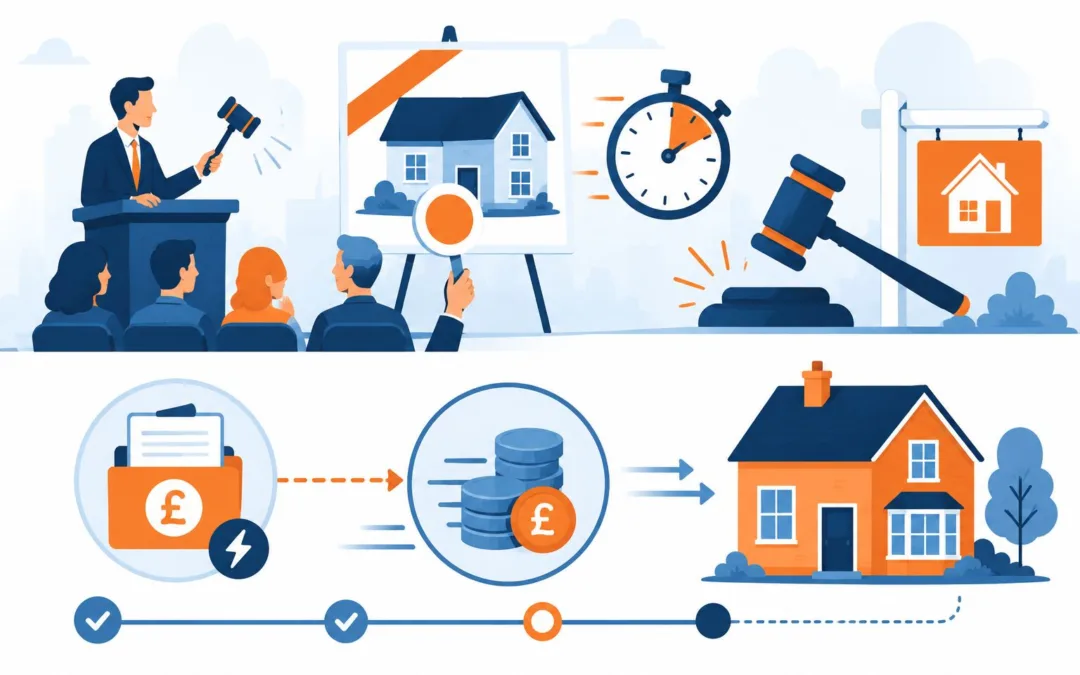
A bridging loan for auction property is a type of short-term finance used to complete property purchases within the strict deadlines required by auction houses.
Property auctions can move very quickly. In many cases, buyers must complete the purchase within 28 days of the auction ending. Because standard mortgages may take longer to arrange, some buyers use bridging finance to secure the property first and refinance later.
This guide explains how auction bridging loans work, why they are commonly used, what lenders look for, and the potential risks and costs involved.
Why Are Bridging Loans Used for Auction Properties?
Bridging finance is commonly used at property auctions because speed is often critical.
Once the auction hammer falls, the buyer usually becomes legally committed to completing the purchase. A deposit is normally paid immediately, and the remaining balance must be settled within the auction’s completion deadline.
Traditional mortgages can sometimes struggle to meet these timescales, particularly if the property needs repairs or specialist underwriting.
Bridging loans are designed specifically for short-term situations like this.
How Does a Bridging Loan for Auction Property Work?
A bridging loan provides temporary funding secured against the property being purchased or another property used as security.
The lender assesses:
- The value of the property
- The amount being borrowed
- The borrower’s deposit or available equity
- The exit strategy
Once approved, funds are released so the buyer can complete the auction purchase within the required timeframe.
The bridging loan is then usually repaid through:
- Refinancing onto a standard mortgage
- Selling the property
- Selling another property
- Using investment or business proceeds
How Quickly Can Auction Bridging Finance Be Arranged?
Some auction bridging loans can complete within a few days if the transaction is straightforward and all documents are available.
However, timescales still depend on:
- The property valuation
- Legal checks
- The lender’s underwriting process
- The complexity of the property
Preparation is important because delays after an auction purchase can create financial penalties or even risk losing the deposit.
You can learn more about timescales in our guide on how quickly you can get a bridging loan.
Need help with bridging finance?
See what bridging finance options may be available
If this guide sounds like your situation, send a few details and we can help organise the key information before introducing you to an FCA-regulated bridging finance adviser where appropriate.
Make a bridging finance enquiryNo obligation. Mortgage Bridge acts as a bridging finance introducer.
What Types of Auction Properties Use Bridging Loans?
Bridging loans are often used for properties that may not qualify for a standard mortgage immediately.
Unmortgageable Properties
Some auction properties have issues that prevent traditional lenders from approving a mortgage.
This may include:
- Structural problems
- Missing kitchens or bathrooms
- Severe damp or damage
- Short lease lengths
- Properties requiring major refurbishment
Bridging finance may allow the buyer to purchase and improve the property before refinancing later.
Investment Properties
Property investors often use bridging loans to secure below-market-value opportunities or properties needing renovation.
Commercial and Mixed-Use Properties
Some auction lots include commercial buildings or mixed-use properties, which may require specialist finance solutions.
What Deposit Is Needed for an Auction Bridging Loan?
Most bridging lenders require a deposit or available equity.
The amount needed depends on:
- The property type
- The loan-to-value ratio
- The borrower’s experience
- The strength of the exit strategy
Many lenders offer between 65% and 75% loan-to-value, although some cases may vary.
Auction buyers also need enough funds available to pay the auction deposit immediately after winning the property.
What Is an Exit Strategy?
An exit strategy is the lender’s understanding of how the bridging loan will be repaid.
This is one of the most important parts of an auction bridging application.
Common exit strategies include:
- Refinancing onto a residential mortgage
- Refinancing onto a buy-to-let mortgage
- Selling the renovated property
- Selling another asset or property
Lenders usually want to see that the repayment plan is realistic and achievable within the loan term.
Can You Get a Mortgage After Using a Bridging Loan?
Yes, many borrowers use bridging finance as a temporary step before moving onto a standard mortgage.
This often happens when:
- The property initially needs renovation
- The borrower is waiting for another property sale
- The auction deadline is too short for standard mortgage processing
Once the property becomes suitable for mainstream lending, refinancing may be possible.
You can learn more about lender affordability checks in our guide on what mortgage lenders look for on bank statements.
Do Bridging Lenders Check Credit History?
Most bridging lenders carry out credit checks, although criteria can be more flexible than standard mortgage lenders.
Some lenders place greater emphasis on:
- The security property
- The amount of available equity
- The strength of the exit strategy
Applications involving adverse credit may still be considered in some situations.
You can learn more in our guides on debt management plans and mortgages after bankruptcy.
What Costs Are Involved with Auction Bridging Loans?
Bridging loans are usually more expensive than standard mortgages because they are short-term and often arranged quickly.
Interest Charges
Interest is commonly charged monthly rather than annually.
Depending on the lender, interest may be:
- Paid monthly
- Rolled into the loan balance
- Retained upfront
Arrangement Fees
Most lenders charge setup fees, often calculated as a percentage of the loan amount.
Valuation Fees
The property normally needs to be valued before the loan completes.
Legal Fees
Borrowers are usually responsible for both their own legal costs and the lender’s legal costs.
Exit Fees
Some lenders charge additional fees when the loan is repaid.
Understanding the total cost before proceeding is important.
What Risks Come with Auction Bridging Finance?
Bridging finance can be useful for auction purchases, but there are important risks to understand.
Short Repayment Terms
Bridging loans are temporary finance solutions and usually need to be repaid within a relatively short period.
Higher Costs
Interest rates and fees are generally higher than standard mortgage borrowing.
Refinancing Risks
If the borrower cannot refinance onto a mortgage or sell the property as planned, repaying the bridging loan may become difficult.
Property Risks
Some auction properties come with legal or structural issues that may affect future refinancing options.
Reviewing legal packs carefully before bidding is important.
What Do Lenders Look for with Auction Bridging Loans?
Bridging lenders usually assess several key areas.
The Property
Lenders assess the condition, value, and saleability of the property being purchased.
The Exit Strategy
The repayment plan is one of the most important underwriting considerations.
The Borrower’s Experience
Experienced property investors may sometimes access broader lending options, particularly for refurbishment projects.
Available Equity
The amount of deposit or equity available affects the lender’s risk level.
Can First-Time Buyers Use Bridging Loans at Auction?
Some lenders may consider first-time buyers for auction bridging finance, although criteria can be stricter.
Lenders may assess:
- The borrower’s financial position
- The property type
- The proposed exit strategy
- Whether refurbishment work is planned
Less experienced applicants may sometimes face lower loan-to-value limits or additional checks.
How Can You Prepare Before Buying at Auction?
Preparation before bidding is extremely important.
Review the Legal Pack
Properties sold at auction often come with legal documents explaining any restrictions, defects, or obligations linked to the property.
Check Funding Early
Speaking to lenders or brokers before the auction can help buyers understand borrowing limits and timescales.
Understand Renovation Costs
If the property requires work, budgeting accurately is important before bidding.
Know the Exit Strategy
Having a realistic repayment plan before committing to the purchase can reduce future risks.
Final Thoughts
Bridging loans are commonly used for auction property purchases because they can provide fast, short-term funding when standard mortgages may not fit auction deadlines.
They are often used for refurbishment projects, investment opportunities, and unmortgageable properties, but they also carry higher costs and risks than traditional mortgage borrowing.
Understanding the loan structure, repayment strategy, and property condition before bidding is essential.
You can learn more about specialist property finance, adverse credit lending, and mortgage criteria in our other Mortgage Bridge guides.
This guide provides general information only. Personalised mortgage advice should always come from a regulated mortgage adviser.
Check your credit in detail
View your full credit report
See your credit information from all three major credit reference agencies with Checkmyfile. Try it free, then it becomes a paid monthly subscription. You can cancel online anytime.
Check your credit report
Important information: Mortgage Bridge provides information only and acts as a mortgage introducer. We do not provide mortgage advice or make lender recommendations. We can introduce you to an FCA-regulated mortgage adviser who can provide personalised mortgage advice.