
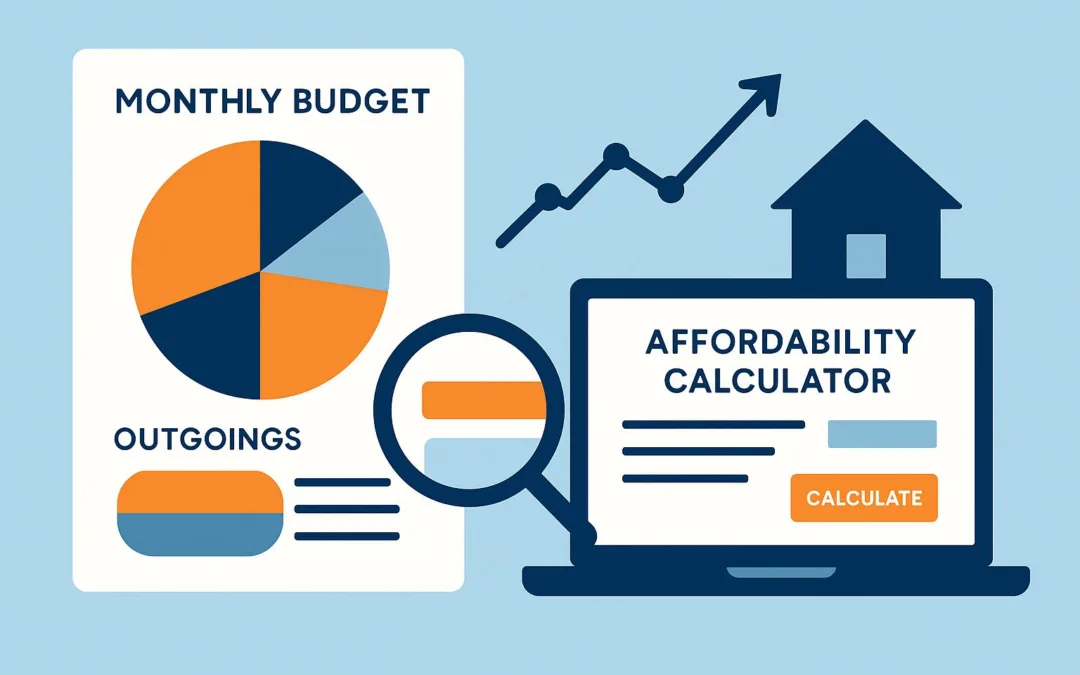

ncome — it’s outgoings. With rising living costs, subscription-heavy lifestyles and common commitments like car finance or student loan deductions, high monthly spending can limit the borrowing amount lenders are willing to offer. Understanding how first time buyers high outgoings affordability is assessed can help you prepare your application more effectively.
This guide explains how lenders view outgoings, which costs matter most, and how financial behaviour influences mortgage eligibility. This article provides general information only and does not offer regulated mortgage advice.
Why Outgoings Are Crucial to Affordability
Lenders need to determine whether the mortgage repayments will remain manageable alongside your current financial commitments. Income alone does not determine borrowing capacity — outgoings directly affect disposable income, which sits at the core of affordability assessments.
If outgoings are high, disposable income is lower, and this reduces the mortgage amount lenders believe is sustainable.
What Counts as “Outgoings” in Mortgage Affordability?
Lenders review all recurring expenses shown on:
- Bank statements
- Credit files
- Payslips
- Application forms
Key categories include:
1. Credit Commitments
These have a major impact on affordability:
- Loans
- Car finance
- Credit card repayments (minimums)
- Store cards
- Buy Now Pay Later instalments
Even small monthly repayments reduce borrowing capacity.
2. Regular Bills
Lenders look for evidence that these are stable and paid on time:
- Rent
- Utilities
- Council tax
- Insurance
- Mobile phone contracts
Late or irregular payments may also affect underwriting.
3. Subscriptions and Memberships
Modern spending patterns often include:
- Streaming services
- Gym memberships
- App subscriptions
- Meal plans
- Gaming memberships
One subscription rarely matters, but a high number of discretionary commitments can reduce affordability.
4. Nursery Fees and Childcare Costs
These have a big impact due to their size and regularity.
Childcare costs are usually factored into affordability in full.
5. Student Loan Deductions
These reduce net income and therefore affect borrowing levels.
6. General Spending Patterns
Lenders also consider:
Need help with your mortgage?
See what mortgage options may be available
If this guide sounds like your situation, send a few details and we can help organise the key information before introducing you to an FCA-regulated mortgage adviser where appropriate.
Make a mortgage enquiryNo obligation. Mortgage Bridge acts as a mortgage introducer.
- Regular cash withdrawals
- High entertainment spending
- BNPL transactions
- Irregular spending spikes
This helps lenders understand your day-to-day financial management.
How Lenders Calculate Affordability for First-Time Buyers
Lenders typically use a combination of:
- Income
- Committed expenditure
- Essential spending estimates
- Mortgage stress testing
Stress testing ensures you can afford payments even if interest rates rise.
If high outgoings significantly reduce your disposable income, borrowing capacity may be lower.
Why First-Time Buyers Often Have High Outgoings
Common reasons include:
- Renting at high market rates
- Car finance on newer vehicles
- Subscription-heavy lifestyles
- Student loan repayments
- Higher transport costs
- Saving for a deposit while covering living costs
Lenders understand these pressures, but underwriting still focuses on long-term financial sustainability.
What Lenders Look for When Reviewing High Outgoings
1. Whether Outgoings Are Essential or Discretionary
Essential expenses matter less because they are fixed.
Discretionary expenses — like entertainment or numerous subscriptions — can be viewed as flexible.
Lenders want evidence you can adjust spending if needed.
2. Whether Outgoings Are Stable
Fluctuating spending may suggest a lack of budgeting control.
Stable, predictable spending supports a stronger application.
3. How Outgoings Compare to Income
A high percentage of income spent each month may reduce the amount lenders are willing to offer.
4. Whether Commitments Will Continue After Moving
For example:
- Ending rent upon moving
- Pausing commuting costs if working closer
- Removing redundant subscriptions
Some costs naturally change once you move into a property.
5. Adverse Items Linked to High Outgoings
This includes:
- Overdraft reliance
- Returned direct debits
- Declined card payments
These suggest financial pressure and may limit lender choice.
Common Scenarios First-Time Buyers Face
Scenario 1: High rent but good income
Some lenders accept that rent will be replaced by mortgage payments.
Scenario 2: Large car finance payment
This significantly reduces affordability; some buyers wait until the agreement ends.
Scenario 3: Many small subscriptions
Individually minor, but collectively impactful.
Scenario 4: BNPL and Klarna-style instalments
Lenders treat these as ongoing commitments.
Scenario 5: High childcare costs
These reduce borrowing power more than most other commitments.
How to Strengthen Your Application if You Have High Outgoings
(General Information Only)
Many first-time buyers choose to:
1. Review and reduce discretionary spending
Streaming services, app subscriptions and lifestyle costs can add up.
2. Repay or reduce small debts
Clearing minor loans or lowering credit card balances improves affordability.
3. Avoid new commitments before applying
New car finance or BNPL transactions can significantly affect borrowing capacity.
4. Keep bank statements tidy
Regular savings and stable spending help reassure lenders.
5. Prepare evidence of rent payments
Consistent rent payments demonstrate ability to handle regular commitments.
6. Build a stronger deposit
A larger deposit increases lender choice and reduces monthly repayments.
7. Understand affordability limits early
This helps set realistic expectations before making an offer.
These steps are general considerations only and not regulated advice.
Do Lenders Treat All Outgoings Equally?
No — some have a bigger impact than others.
Largest Impact:
- Car finance
- Loans
- BNPL instalments
- Childcare costs
- Credit card minimum payments
Moderate Impact:
- Subscriptions
- Mobile phone contracts
- Insurance payments
Lower Impact:
- Essential spending such as groceries (assessed using fixed models)
Understanding which costs affect the outcome most helps you decide where to focus.
Summary
High outgoings don’t automatically prevent first-time buyers from securing a mortgage, but they influence how much lenders are willing to offer. A first time buyers high outgoings affordability assessment focuses on:
- Regular commitments
- Discretionary spending
- Income stability
- Bank statement conduct
- Rent payment history
- Credit behaviour
By understanding which outgoings matter most and planning ahead, many applicants can strengthen their overall profile and present a clearer case to lenders.
This article provides general information only. For personalised guidance, regulated mortgage advice is required.
Check your credit in detail
View your full credit report
See your credit information from all three major credit reference agencies with Checkmyfile. Try it free, then it becomes a paid monthly subscription. You can cancel online anytime.
Check your credit report
Important information: Mortgage Bridge provides information only and acts as a mortgage introducer. We do not provide mortgage advice or make lender recommendations. We can introduce you to an FCA-regulated mortgage adviser who can provide personalised mortgage advice.