

Mortgage After Having Children: What Lenders Consider
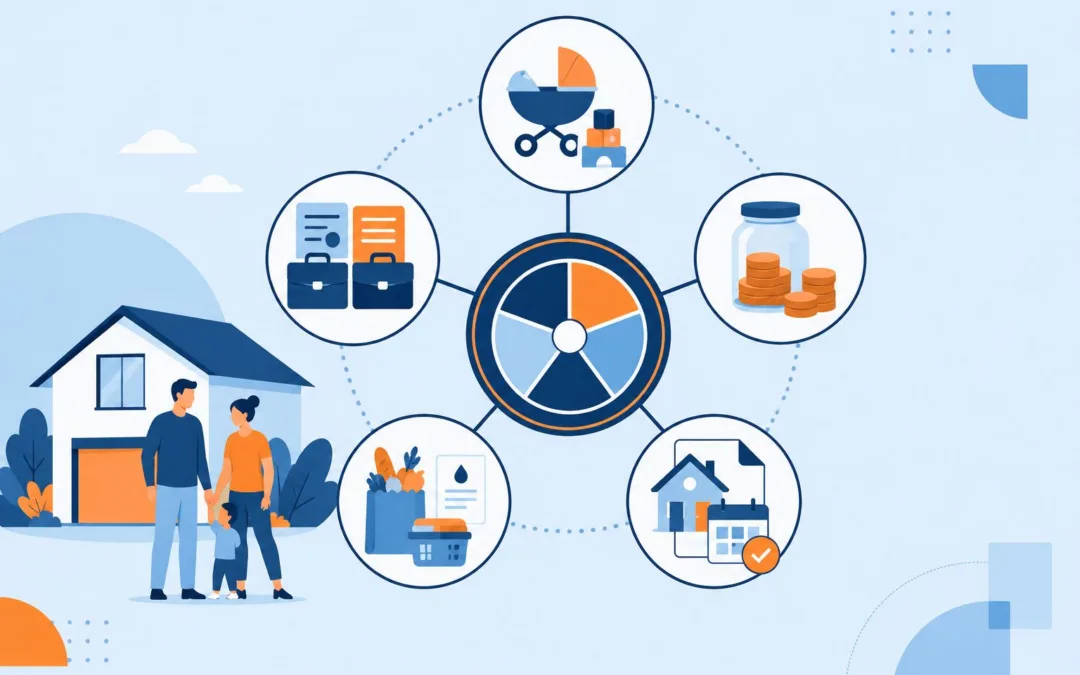
Applying for a mortgage after having children can feel like a major financial shift. A growing family often changes income patterns, household spending, and long-term priorities, all of which lenders typically assess during a mortgage application. Whether you are buying your first home, moving to a larger property, or remortgaging, understanding how a mortgage after having children is evaluated can help you prepare more effectively.
Lenders focus on affordability, stability, and risk when reviewing applications from borrowers with dependants. This means that childcare costs, parental leave income, and household expenditure are likely to play a more visible role in affordability calculations. However, having children does not automatically reduce your chances of securing a mortgage. Instead, it changes how your financial profile is assessed.
This guide explains the key factors lenders may consider and outlines how different family scenarios can affect borrowing potential. It is designed to provide a clear, neutral overview so you can better understand the process before speaking to a regulated mortgage adviser.
How does having children affect mortgage affordability?
Having children typically affects mortgage affordability because lenders include additional household costs when calculating how much you can borrow.
Lenders usually assess monthly expenditure in detail, including childcare, school-related costs, and general living expenses. These costs reduce the amount of disposable income available to support mortgage repayments. Even if your income remains the same, higher outgoings can lower the maximum loan amount offered.
Affordability models often include stress testing, where lenders check whether repayments would remain manageable if interest rates increased. With dependants, these tests may be more conservative, as lenders aim to ensure financial resilience during periods of rising costs or unexpected changes.
In some cases, lenders may apply standardized living cost assumptions based on household size. This means that even if your actual spending is lower, the presence of children may still influence borrowing limits. Criteria can vary widely between lenders, so outcomes are not identical across the market.
What income is considered after having children?
Lenders typically consider stable and sustainable income, which may be affected if one parent reduces working hours or takes leave.
If a borrower is on maternity, paternity, or shared parental leave, lenders may assess both current and expected future income. Some lenders will use the return-to-work salary, provided there is confirmation from an employer, while others may base calculations on reduced income during leave.
For self-employed borrowers, having children may coincide with fluctuating income, especially if business activity changes. Lenders usually look at recent accounts or tax returns, and any significant drop in earnings could impact affordability calculations.
Additional income sources such as child benefit or maintenance payments may be considered by some lenders, although not always in full. The treatment of these income streams varies, and they are often weighted differently compared to salary or guaranteed earnings.
How do childcare costs impact a mortgage after having children?
Childcare costs are a key factor in mortgage affordability and are typically included as a regular financial commitment.
Nursery fees, after-school clubs, and other childcare arrangements can represent a significant monthly expense. Lenders usually request an estimate of these costs and include them when calculating disposable income. Higher childcare expenses can directly reduce borrowing capacity.
Some lenders may adjust affordability calculations if childcare costs are expected to decrease in the future, such as when a child reaches school age. However, this is not always guaranteed, and many lenders base decisions on current or near-term financial commitments.
It is also worth noting that informal childcare arrangements, such as support from family members, may not always be fully recognized in affordability assessments. Lenders tend to focus on consistent and verifiable financial commitments rather than informal or variable arrangements.
Need help with your mortgage?
See what mortgage options may be available
If this guide sounds like your situation, send a few details and we can help organise the key information before introducing you to an FCA-regulated mortgage adviser where appropriate.
Make a mortgage enquiryNo obligation. Mortgage Bridge acts as a mortgage introducer.
Can you get a mortgage while on maternity or parental leave?
It is possible to apply for a mortgage while on maternity or parental leave, but lender criteria may be stricter.
Lenders often require confirmation of your return-to-work date and expected salary. This is usually provided through an employer letter. If acceptable, the lender may base affordability on your future income rather than your current reduced earnings.
Some lenders, however, may still assess affordability using the lower income received during leave, particularly if there is uncertainty about returning to work. This can reduce the loan amount available or affect eligibility.
Borrowers applying during this period may also be subject to additional scrutiny around job stability and financial resilience. Demonstrating a strong savings position or lower debt levels may help offset perceived risks in some cases.
What other financial commitments do lenders consider?
Lenders review a wide range of financial commitments beyond childcare when assessing a mortgage after having children.
Regular expenses such as credit card repayments, personal loans, car finance, and household bills are all included in affordability checks. With children, these costs may increase due to higher spending on essentials like food, clothing, and utilities.
Lenders may also consider future financial commitments, such as school fees or planned expenses, if they are disclosed during the application process. Transparency is important, as undisclosed commitments could affect the outcome later.
In addition, lifestyle factors may indirectly influence affordability. For example, a larger property purchase may come with higher utility costs and council tax, which lenders factor into their calculations to ensure long-term sustainability.
Example scenario: applying for a mortgage after starting a family
A typical scenario can help illustrate how lenders may assess a mortgage after having children in practice.
Consider a couple applying for a mortgage after the birth of their first child. One partner has returned to work full-time, while the other works part-time to manage childcare. Their combined income is lower than before, and they now have monthly nursery fees.
In this case, a lender would assess their joint income, verify employment status, and include childcare costs as a fixed monthly expense. The reduced income and additional costs may lower their borrowing capacity compared to their pre-child financial position.
However, if the couple can demonstrate stable employment, manageable debt levels, and a reasonable deposit, they may still meet lender criteria. Different lenders may reach different conclusions based on how they assess future income and expenses.
How can borrowers prepare for a mortgage after having children?
Preparation can make a significant difference when applying for a mortgage after having children.
Reviewing your household budget is a useful starting point. Understanding how childcare and family-related costs affect your monthly spending can help you estimate realistic borrowing levels before applying.
Maintaining a strong credit profile is also important. Lenders typically review credit history alongside affordability, and consistent repayment behavior can support your application even if your circumstances have recently changed.
It may also be helpful to consider timing. Some borrowers choose to wait until they have returned to full income or reduced childcare costs before applying, while others proceed earlier depending on their financial position. A regulated mortgage adviser may be able to provide personalized guidance based on your situation.
FAQ: Mortgage after having children
Does having children reduce how much you can borrow?
It can reduce borrowing capacity because lenders include additional living costs and childcare expenses in affordability calculations.
Can lenders use future income after maternity leave?
Some lenders may consider future income if there is clear evidence of a return to work, but this varies between lenders.
Are childcare costs always included in affordability checks?
Yes, most lenders include regular childcare costs as part of monthly expenditure when assessing affordability.
Can you remortgage after having children?
Remortgaging is possible, but lenders will reassess affordability based on your current income, expenses, and family circumstances.
Do benefits count as income for a mortgage?
Some benefits may be considered, but usually not in full, and acceptance varies depending on lender criteria.
This guide provides general information only. Personalised mortgage advice should always come from a regulated mortgage adviser authorised by the Financial Conduct Authority.
Check your credit in detail
View your full credit report
See your credit information from all three major credit reference agencies with Checkmyfile. Try it free, then it becomes a paid monthly subscription. You can cancel online anytime.
Check your credit report
Important information: Mortgage Bridge provides information only and acts as a mortgage introducer. We do not provide mortgage advice or make lender recommendations. We can introduce you to an FCA-regulated mortgage adviser who can provide personalised mortgage advice.